20 Oct 2026
Tracing Maple Motifs Through Evolving Comfort Narratives
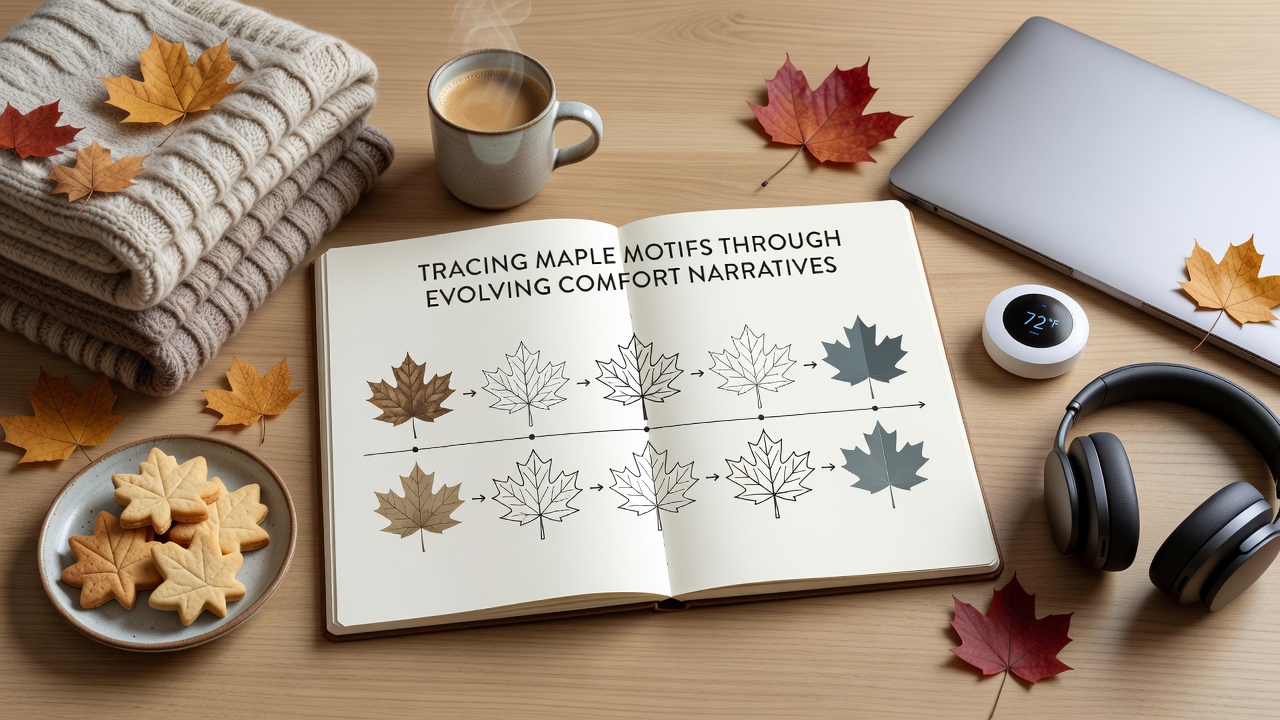
Maple motifs have appeared in comfort-related design and cultural expressions across multiple eras, with researchers documenting their presence in textiles, literature, and domestic objects since the 1800s; these symbols often connect to seasonal cycles and natural elements that people associate with rest and shelter. Data from cultural archives show that maple leaves and syrup imagery surfaced in North American household goods during periods when rural living patterns influenced urban interiors, and historians note consistent placement alongside other botanical elements in quilts and wallpapers from that time.
Origins in Cultural Symbolism
Early records from Canadian and American collections indicate that maple leaves entered comfort narratives through Indigenous and settler craft traditions, where the tree's resilience aligned with ideas of seasonal preparation; according to heritage documentation from the Government of Canada, the maple leaf gained formal recognition as a national emblem in the 19th century while simultaneously appearing in domestic items meant for warmth and gathering. Studies conducted by university ethnographers in the United States reveal that these motifs frequently accompanied descriptions of hearth-centered activities, and evidence suggests their use expanded as printed media began circulating patterns for home decoration.
Observers tracking design history point out that by the late 1800s maple imagery had moved into commercial catalogs selling blankets and furniture covers, where the leaf shape provided both visual balance and thematic ties to autumnal rest; this period also saw increased references in children's books that framed maple trees as sources of family routines around harvesting and preservation.
Twentieth Century Adaptations
During the 1900s, maple motifs underwent shifts as mass production altered how comfort objects reached households, and trade reports from European design institutes document parallel uses of leaf patterns in Scandinavian and North American upholstery lines. Research published through academic presses shows that mid-century modern styles incorporated simplified maple outlines into rugs and curtains, often paired with neutral palettes that emphasized quiet interiors over ornate details. Data compiled by Statistics Canada on household textile imports further illustrates rising demand for these patterns during economic recovery phases when consumers sought familiar natural references in their living spaces.
One study from a Midwest university examined magazine advertisements between 1920 and 1970 and found that maple syrup imagery frequently illustrated scenes of indoor leisure, linking the product to ideas of slow mornings and shared meals; such associations persisted even as synthetic materials entered the market and altered production methods.
Digital Era Expansions
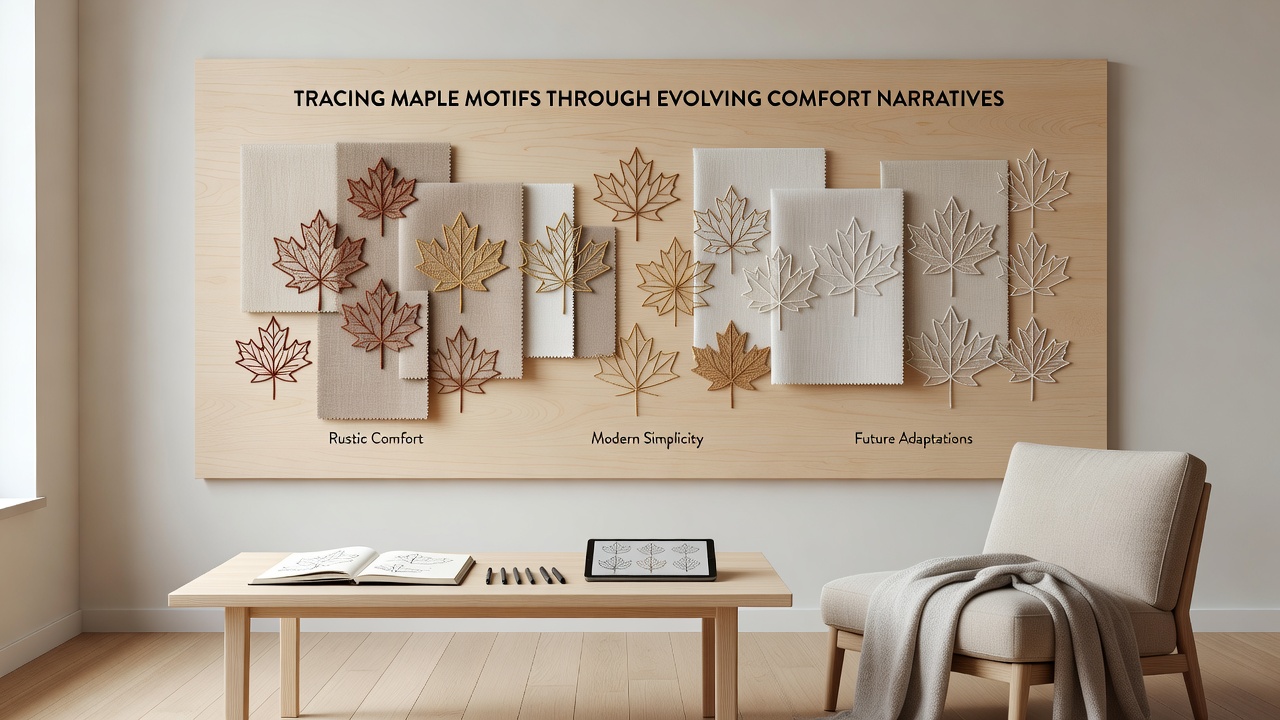
With the rise of online platforms in the late 20th and early 21st centuries, maple motifs reached wider audiences through digital catalogs and social sharing, and industry analyses from Australian design councils note that these symbols adapted well to flat graphics used in virtual mood boards. Figures from retail trend reports indicate steady inclusion in seasonal collections aimed at fall and winter markets, where the leaf shape continued to signal transitions toward indoor routines. Evidence from pattern databases reveals that designers began combining maple elements with other regional flora, creating hybrid motifs that reflected globalized supply chains while retaining local recognition.
By the 2010s, data from university-led surveys on consumer preferences showed that households in multiple regions selected maple-themed items for their perceived connection to heritage comfort, and this trend aligned with broader movements toward natural material sourcing in furnishings. What's interesting is how the motif maintained relevance across different media formats, from printed fabrics to screen-based imagery.
Developments Anticipated in October 2026
Market projections prepared by international trade groups suggest that October 2026 will feature expanded applications of maple motifs in comfort products timed with autumn programming across North America and Europe; these forecasts draw on sales data showing consistent yearly increases in seasonal textile purchases during that month. Observers from research institutions note that collaborations between heritage organizations and contemporary manufacturers are expected to produce limited-edition items incorporating archival maple patterns, and such releases often coincide with cultural festivals that highlight regional symbols. Reports from Canadian federal agencies indicate ongoing interest in how these motifs appear in public education materials distributed during harvest periods, providing continuity with earlier narrative traditions.
Additional analyses from design research centers in Asia highlight cross-cultural adaptations where maple elements merge with local botanical references, creating layered comfort stories that travel through digital channels and physical retail environments alike.
Conclusion
Tracing maple motifs through evolving comfort narratives reveals a consistent thread of symbolic use across centuries, supported by archival records, trade statistics, and academic examinations that document their movement from craft traditions into commercial and digital spheres. The patterns continue to adapt while preserving associations with seasonal rest and domestic gathering, and upcoming periods such as October 2026 present further opportunities for these elements to appear in new product formats. Those who study material culture observe that the motifs' endurance stems from their flexible integration into changing lifestyle contexts rather than fixed meanings, allowing them to remain part of broader conversations about comfort across regions and generations.